
Four complementary perspectives on matter and the universe
Open a research theme to explore its scientific objectives, methods and original legacy images.
PP
Particle Physics
Colliders, fundamental forces and new physics
Particle Physics
Colliders, fundamental forces and new physicsParticle physics investigates elementary particles and fundamental interactions using high-energy collision data, theoretical models and advanced detector systems.
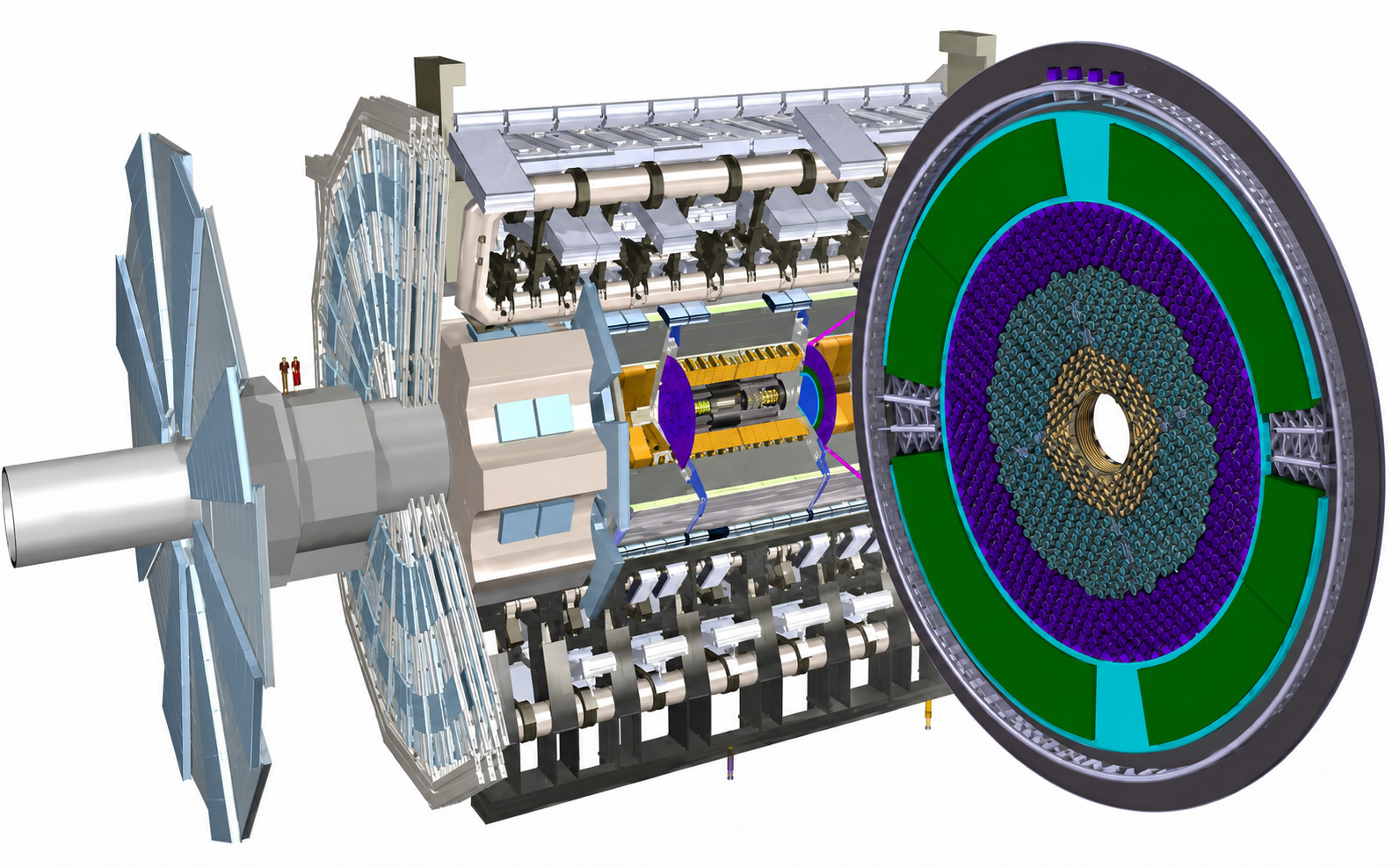
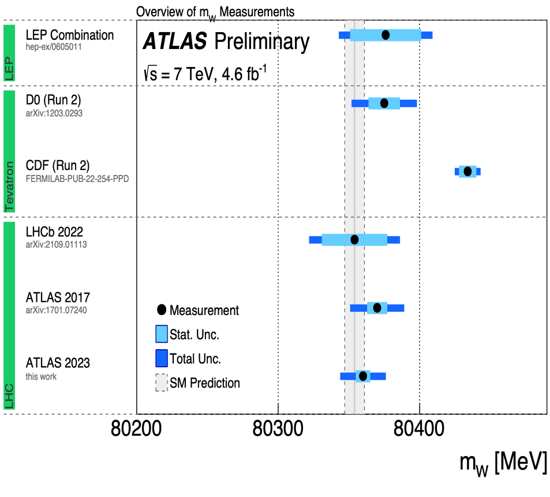
CPSE research contributes to precision measurements and software development associated with the ATLAS experiment at CERN.
- Precision measurement of the W-boson mass
- ATLAS detector software and monitoring
- High Granularity Timing Detector development
- Light-by-light scattering
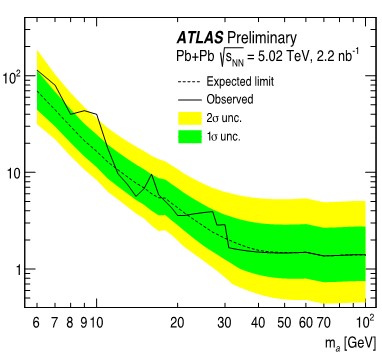
- Searches for axion-like particles and new physics
NP
Nuclear Physics
Reactor systems, medical physics and plant imaging
Nuclear Physics
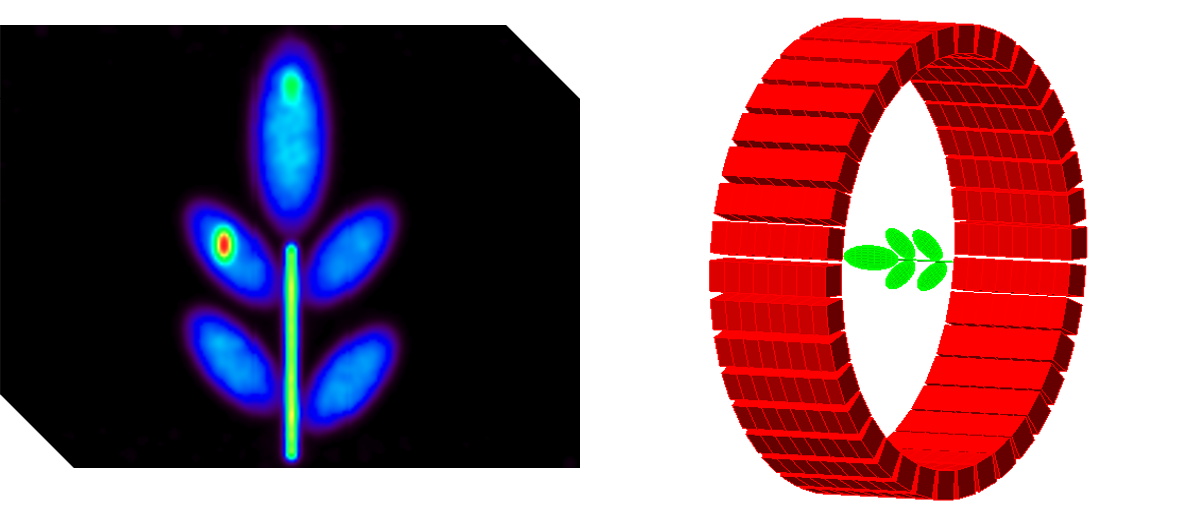
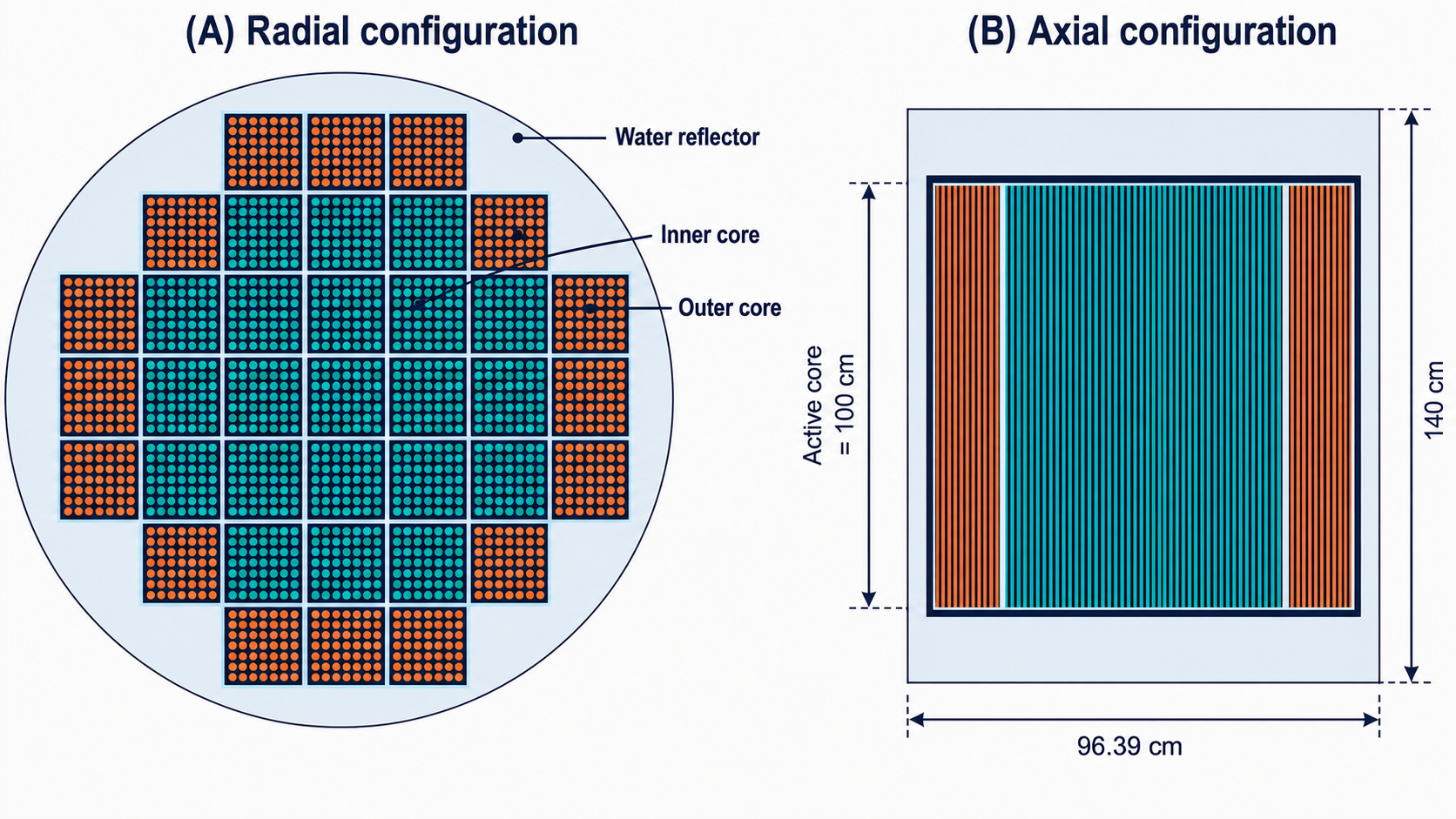
Reactor systems, medical physics and plant imagingNuclear-physics research connects fundamental radiation science with reactor monitoring, biomedical imaging and plant-science applications.
Experimental methods are combined with Monte Carlo simulation and advanced detectors to improve safety, diagnostics and quantitative imaging.
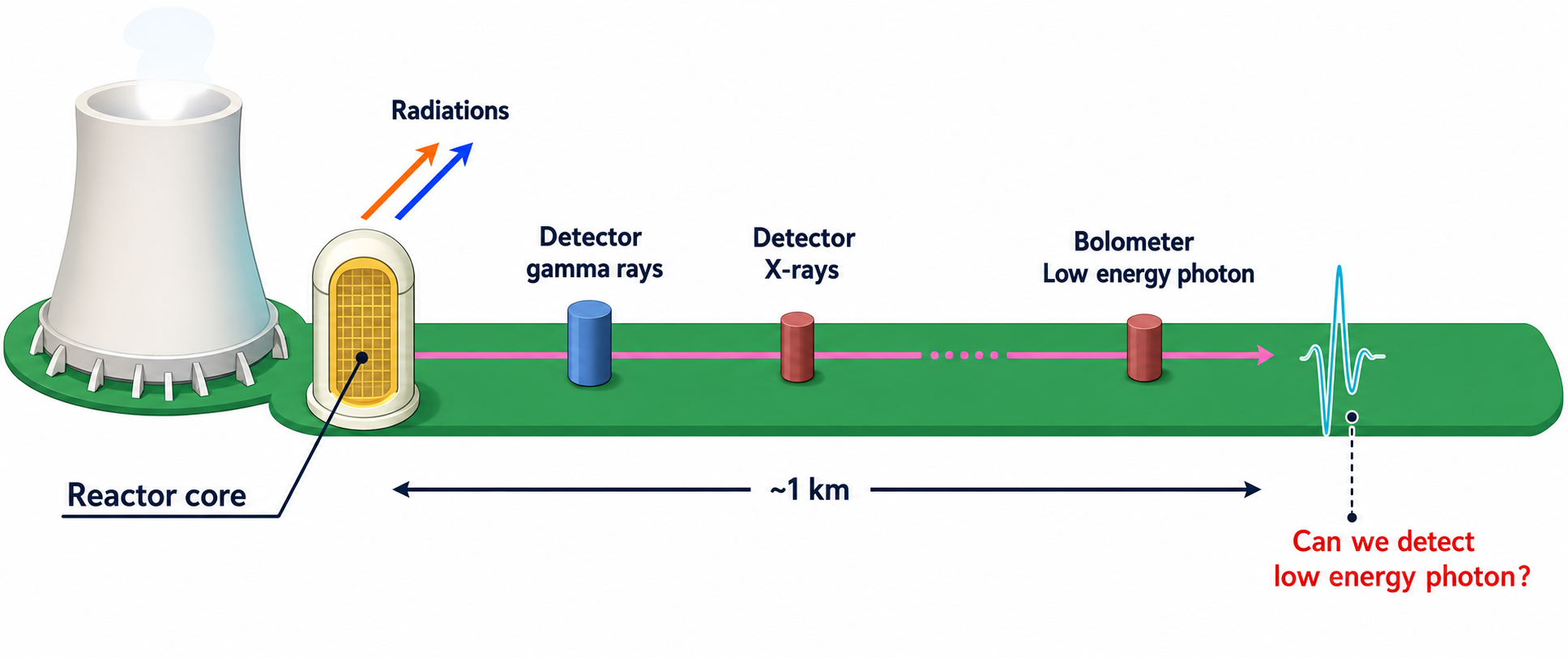
- Low-energy photon detection near nuclear reactors
- Nuclear-reactor safety parameters
- Medical imaging and radiation therapy
- PET and MRI-based imaging concepts
- Plant-water transport and plant diagnostics
CMB
Cosmology & Cosmic Microwave Background
The early universe, inflation and cosmic structure
Cosmology & Cosmic Microwave Background
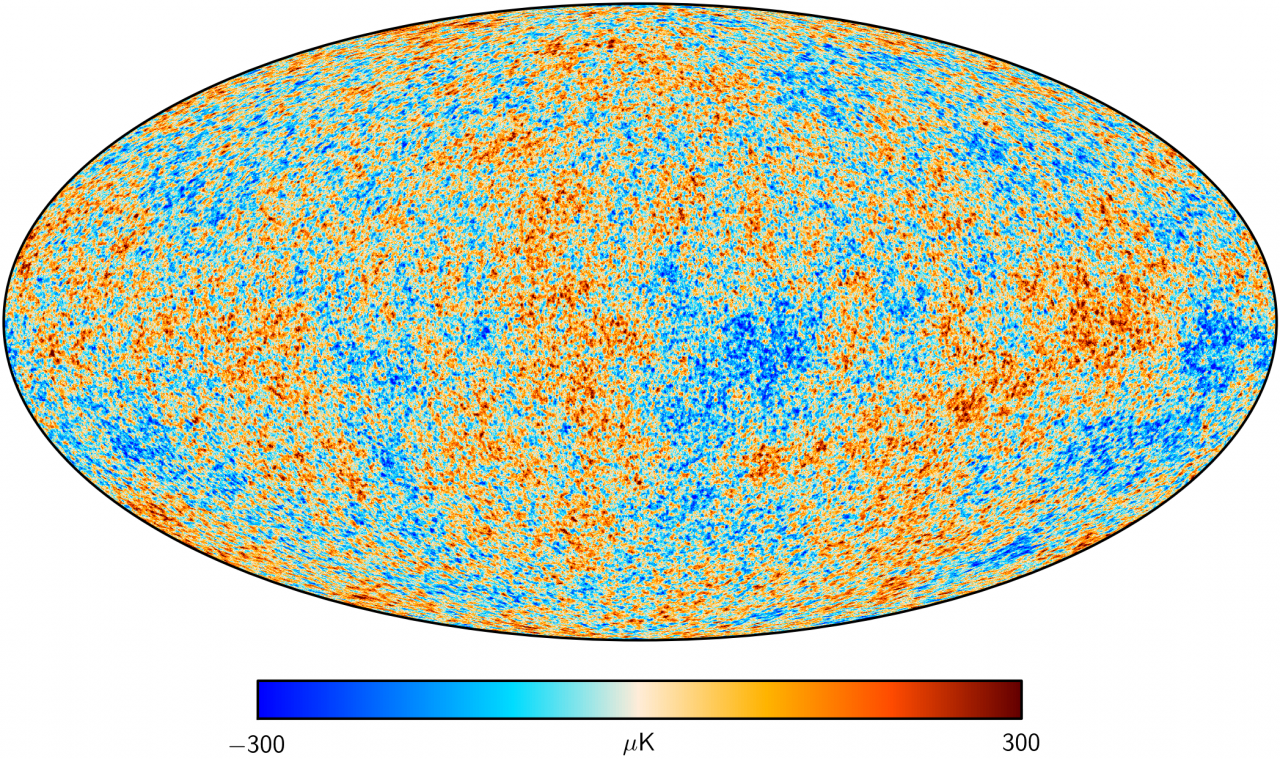
The early universe, inflation and cosmic structureThe cosmic microwave background provides a snapshot of the universe approximately 380,000 years after the Big Bang.
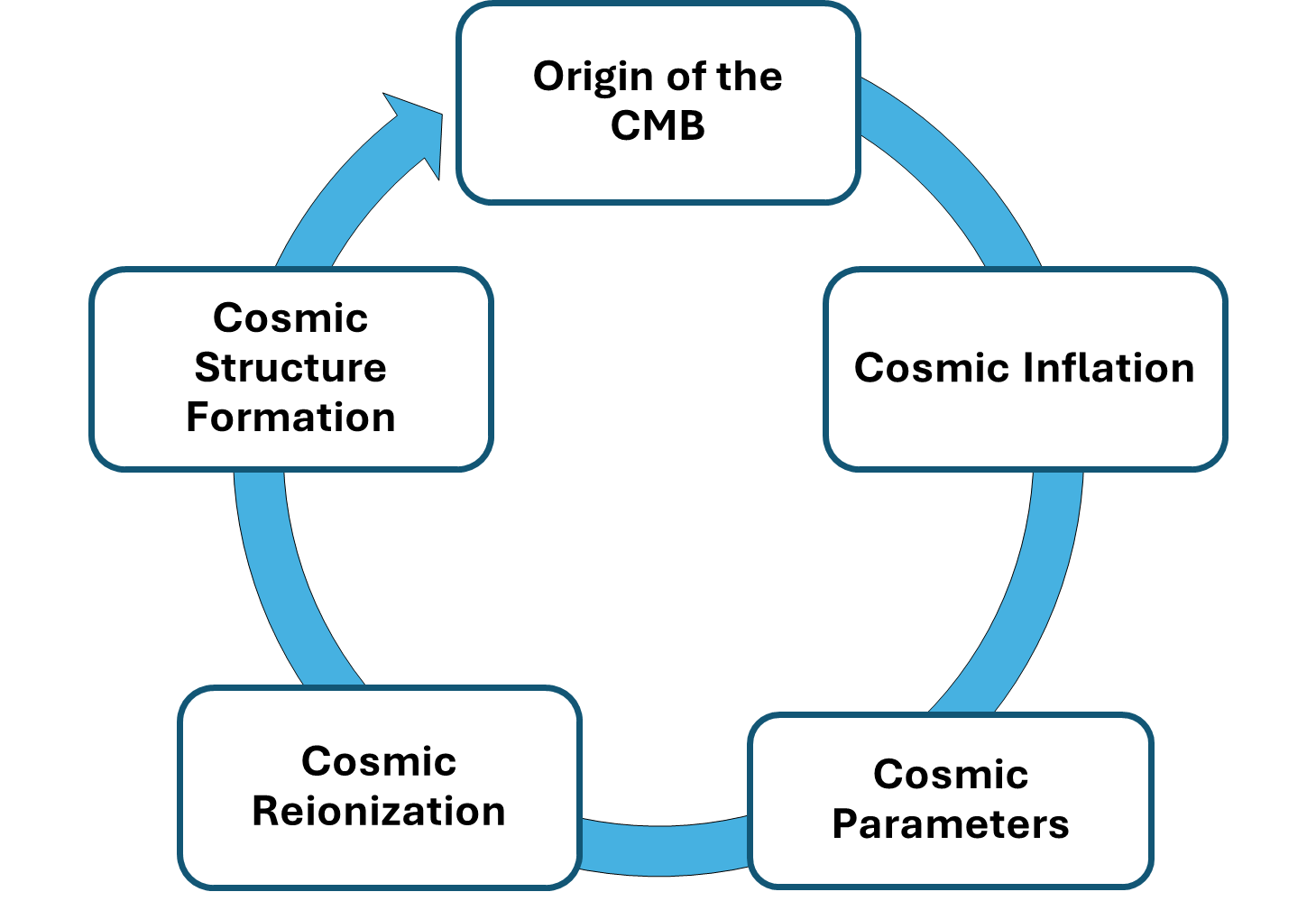
Research uses its temperature and polarization signatures to investigate the early universe, inflation, cosmological parameters and the formation of cosmic structure.
- Cosmic origins and the early universe
- Inflationary cosmology and primordial B-modes
- Dark matter and dark energy
- CMB lensing and large-scale structure
- Instrumentation, foreground separation and noise reduction
AP
Astrophysics & Planetary Science
Planets, moons, comets, asteroids and exoplanets
Astrophysics & Planetary Science
Planets, moons, comets, asteroids and exoplanetsAstrophysics research examines planets, moons and smaller celestial bodies to understand their formation, physical properties and evolution.
Comets and asteroids preserve information about conditions in the early solar system, while exoplanets extend the investigation to planetary systems beyond our own.
- Rocky planets and planetary atmospheres
- Gas giants and their moons
- Icy bodies and potential habitability
- Asteroids and cometary activity
- Exoplanets and planetary-system evolution
From collider experiments to cosmic messengers and planetary observations
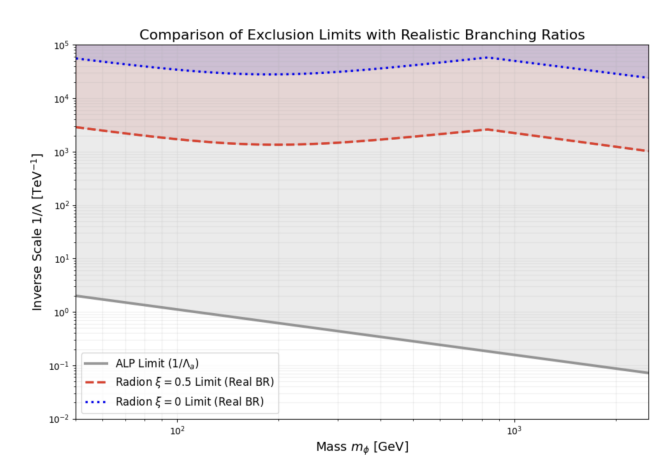
Searches for Extra-Dimensional Excitations in Light-by-Light Scattering
Research uses light-by-light scattering to explore new particles, extra-dimensional models and physics beyond established theories.
Explore the paper ↗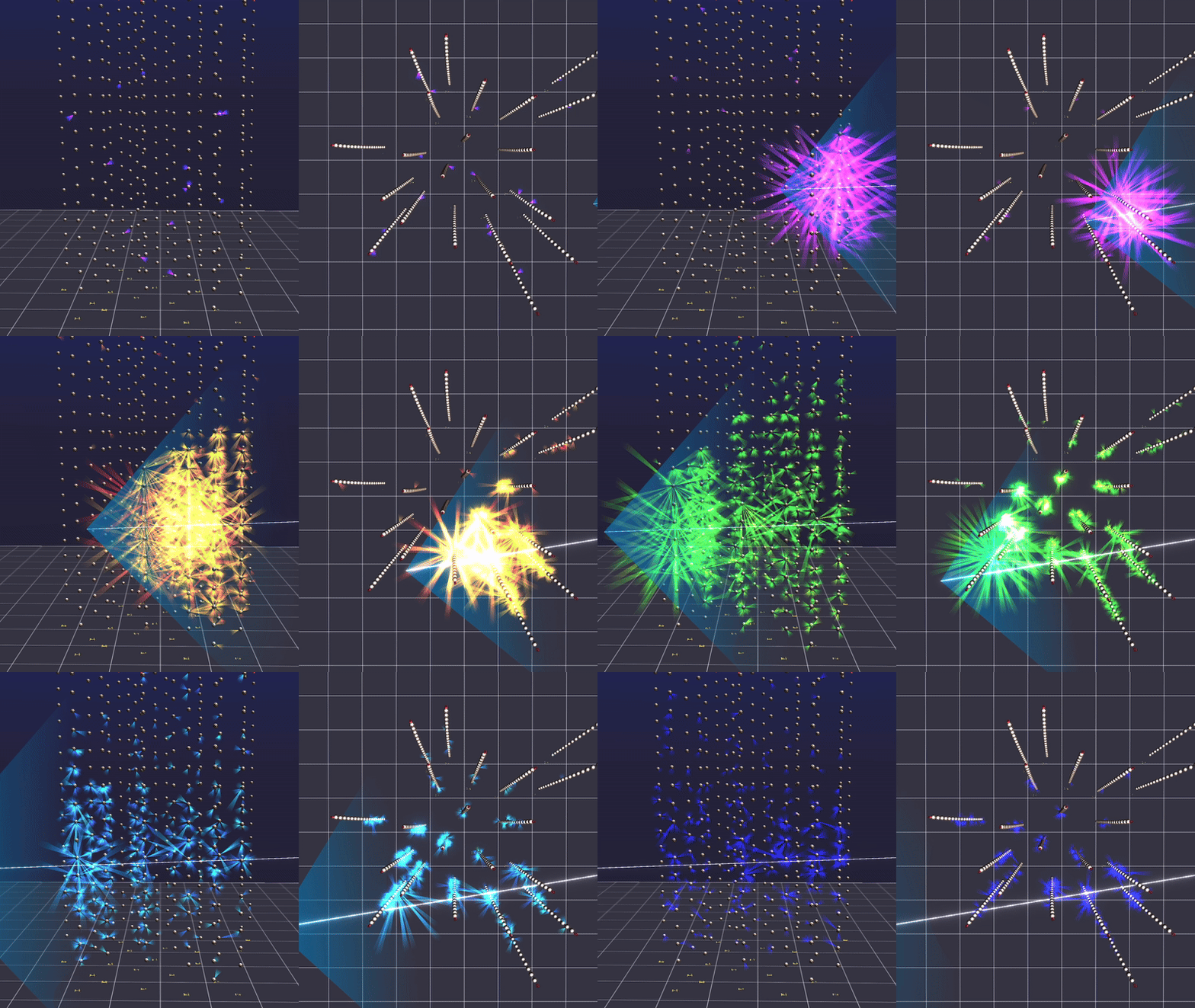
Observation of an Ultra-High-Energy Cosmic Neutrino with KM3NeT
The international KM3NeT collaboration reported the highest-energy neutrino observed at the time, opening a new window on extreme cosmic phenomena.
Explore the paper ↗
Optimizing Positron Emission Tomography for Accurate Plant Imaging
GATE Monte Carlo simulations are used to correct positron-range effects and improve the accuracy of PET-based plant imaging.
Explore the paper ↗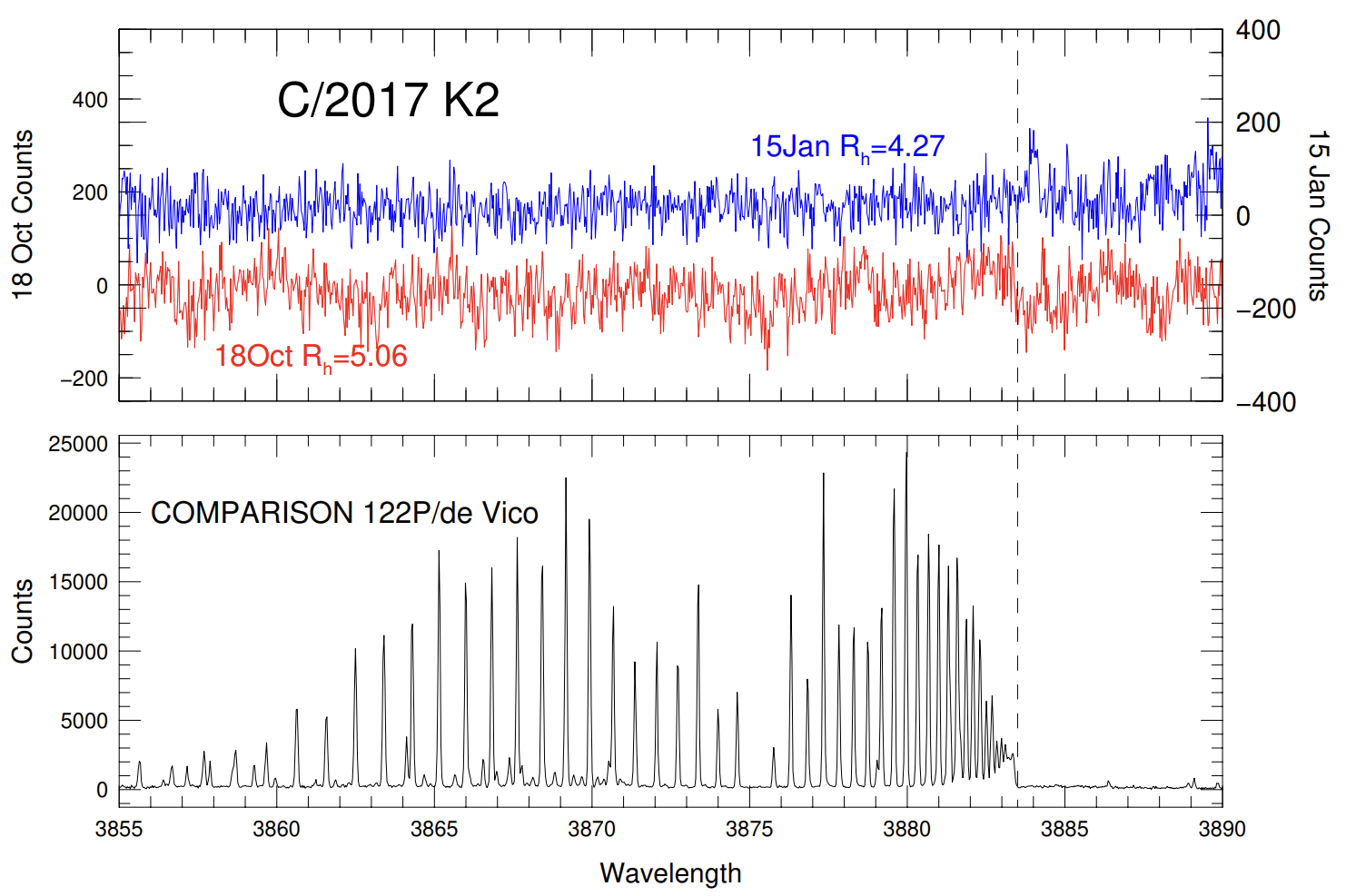
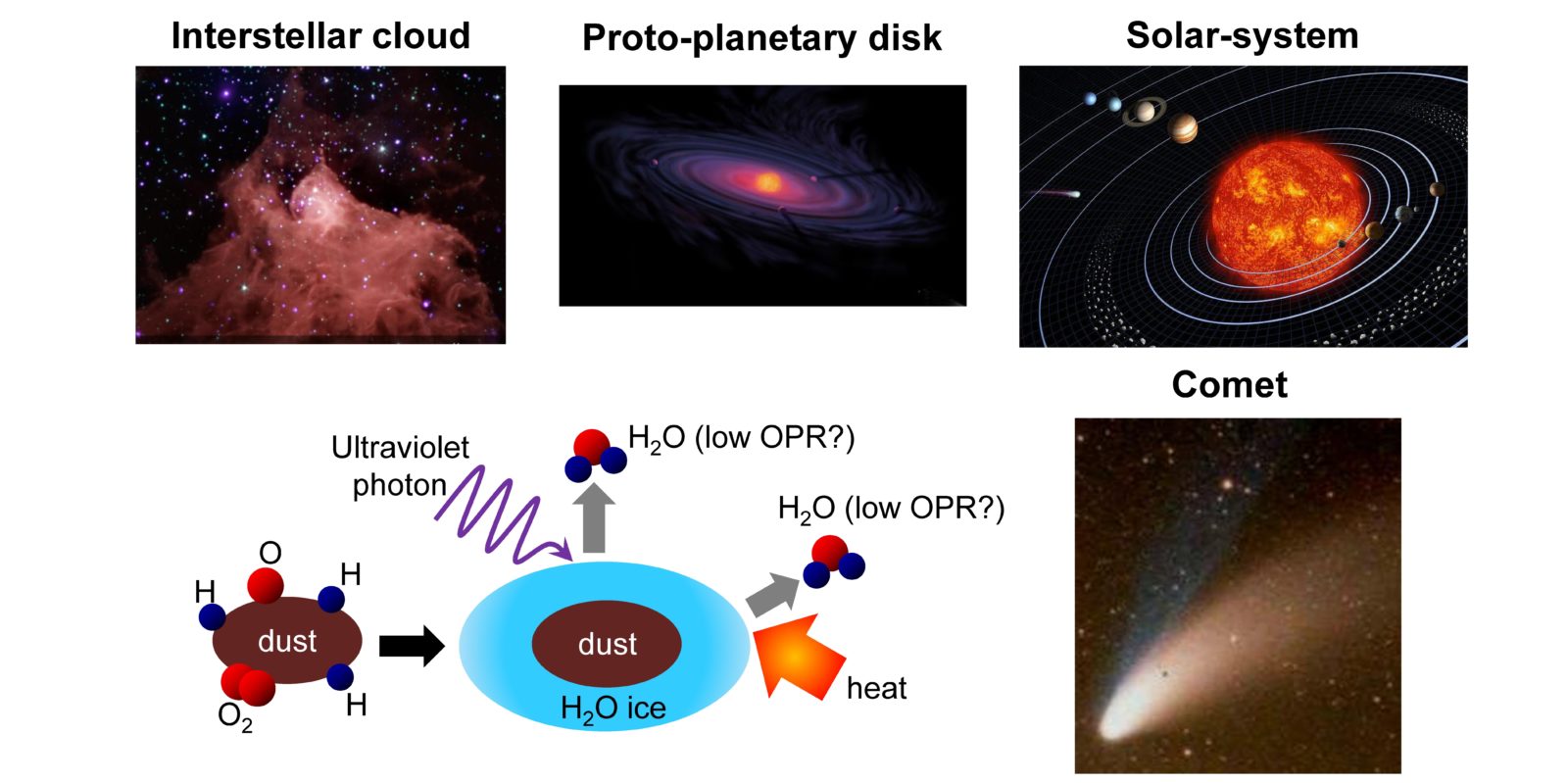
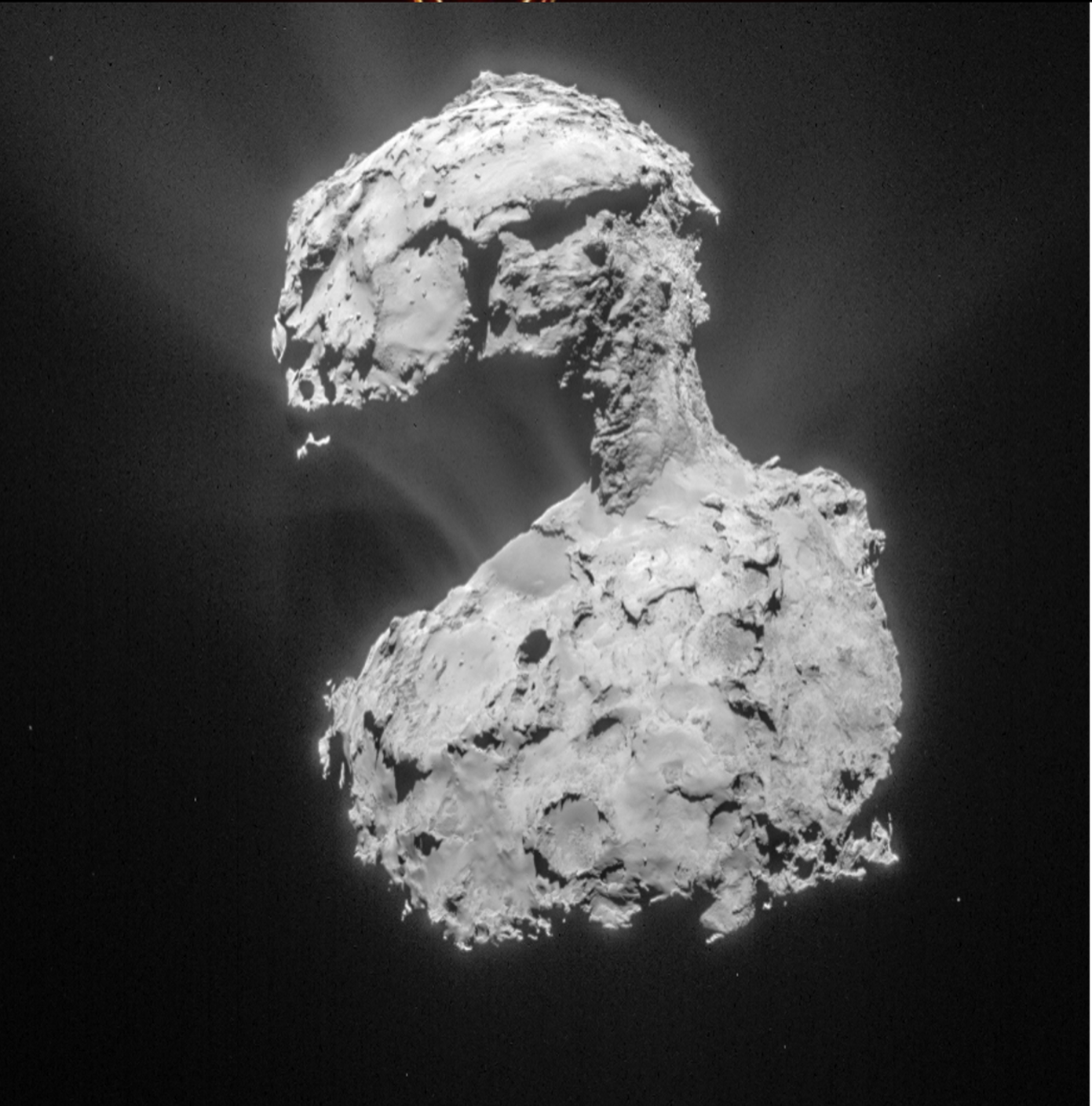
Watching a Comet Turn On: Observations of Comet C/2017 K2
High-resolution spectroscopy follows the emergence of gas activity as the comet approaches the Sun, revealing the evolution of its volatile components.
Explore the paper ↗