
Four complementary areas
Select a theme to explore how materials are created, controlled, measured and transformed into functional systems.
CG
Crystal Growth
Scaling high-quality two-dimensional materials
from crystals to atomically thin films.
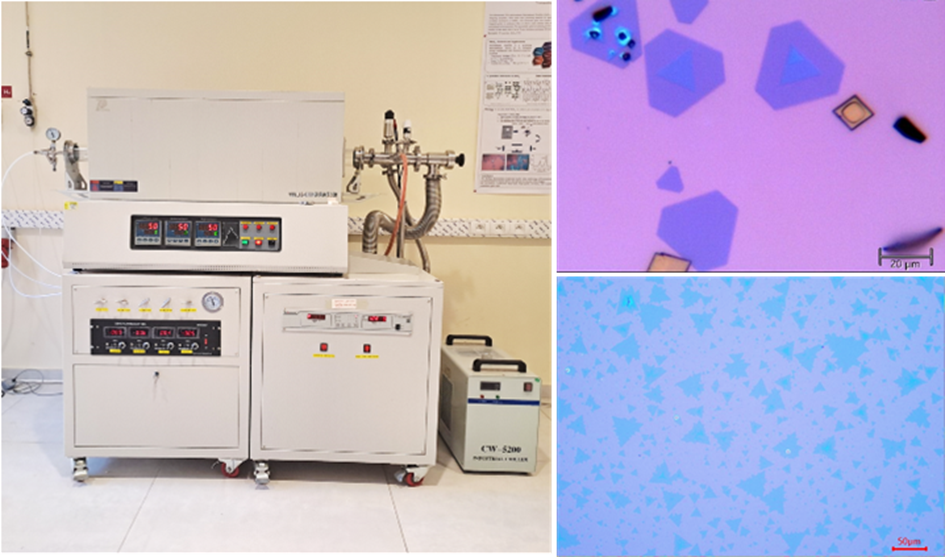
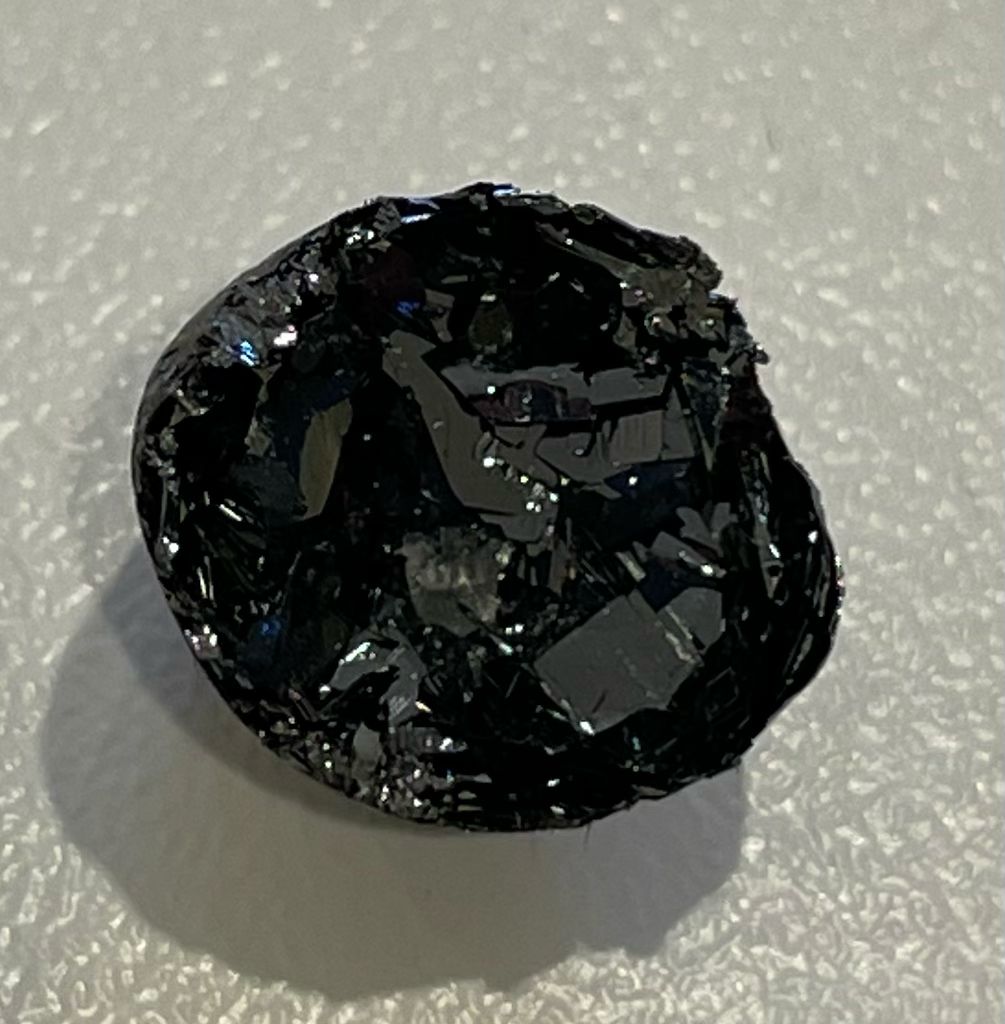
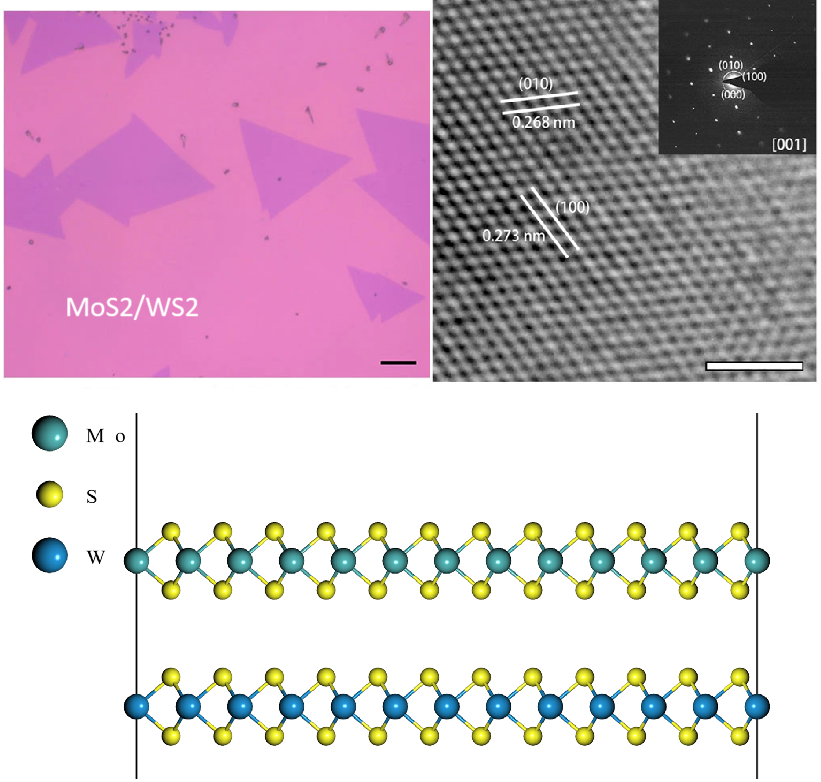
Researchers combine experiments and simulation to develop strategies for large-area, low-defect synthesis. Chemical vapor deposition allows control over substrates, precursors, temperature and pressure, while crystal-growth activities include black phosphorus, MoS₂ and related transition-metal dichalcogenides.

DE
Defect Engineering
Probing and controlling vacancies, nanopores
and transport in low-dimensional materials.
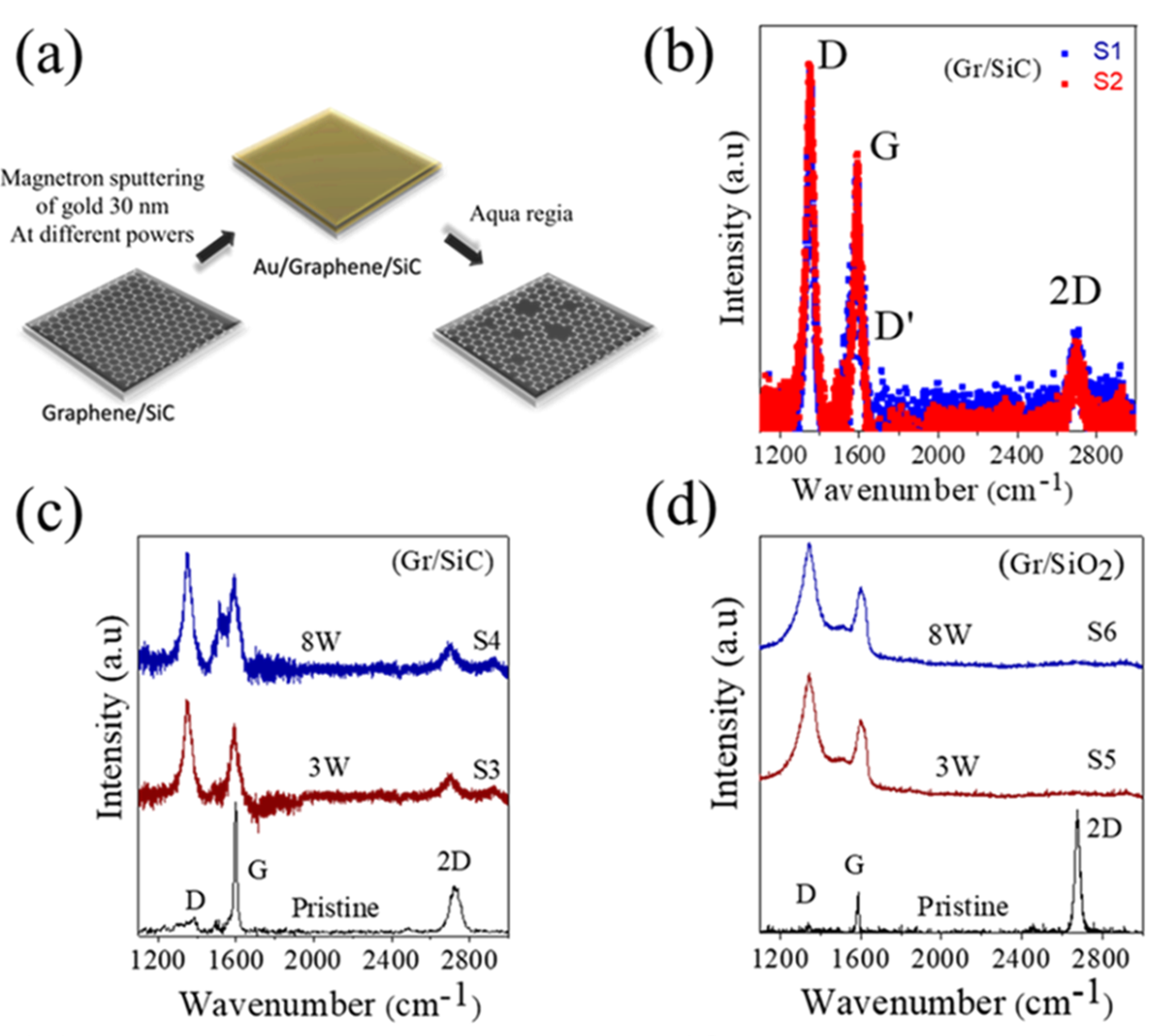
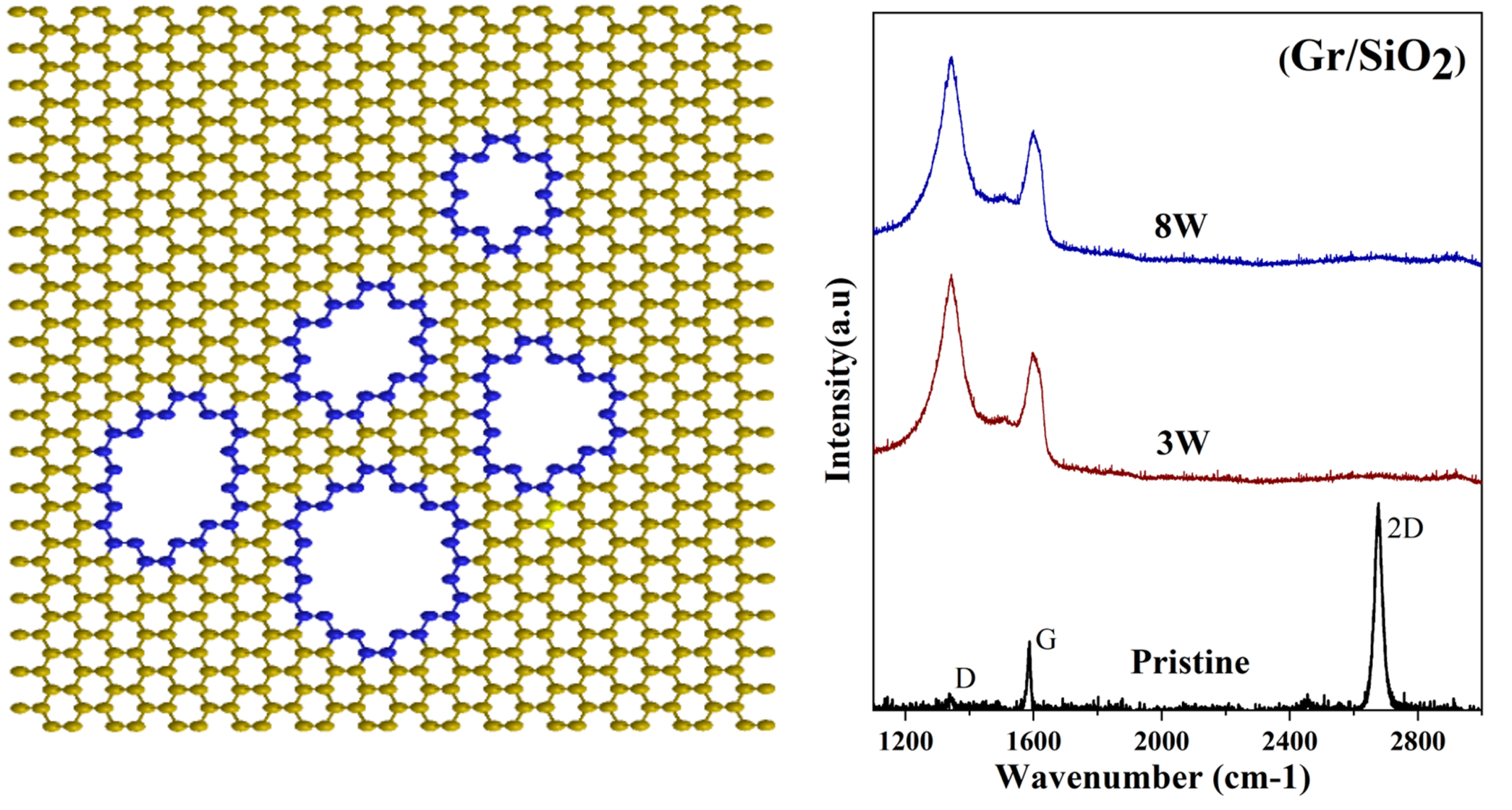
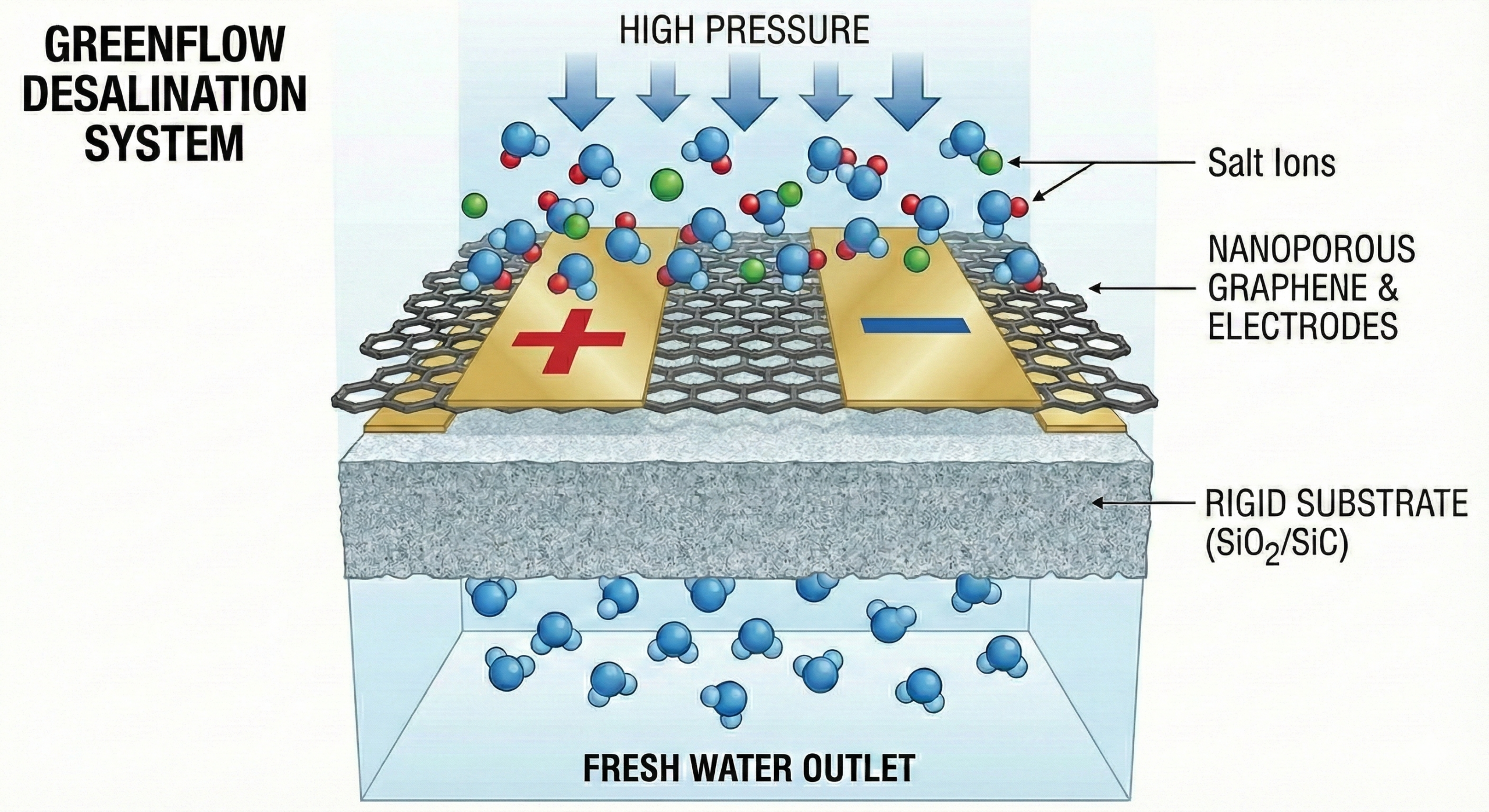
Raman-based analysis and numerical methods are used to investigate defects in graphene and other 2D materials. Understanding vacancy size and distribution supports control of electronic and thermal transport and enables concepts such as graphene membranes for water desalination.

DP
Device Physics
Exploring quantum electronic phenomena in
nanoscale devices and heterostructures.
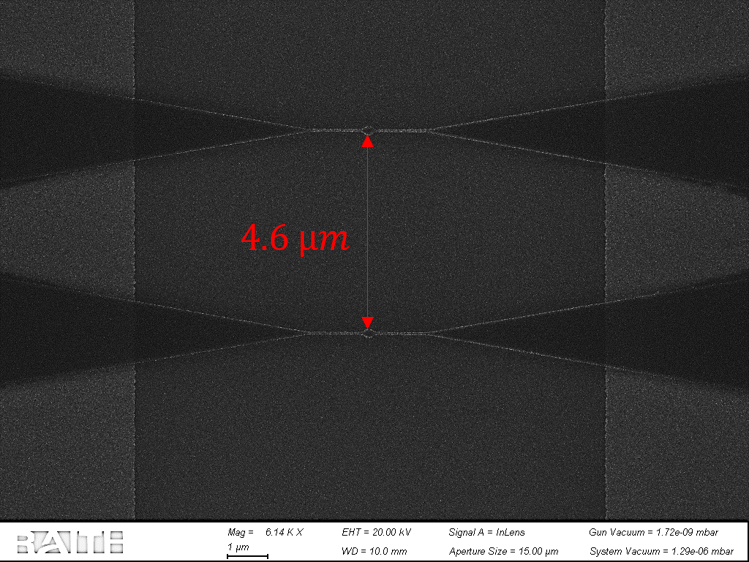
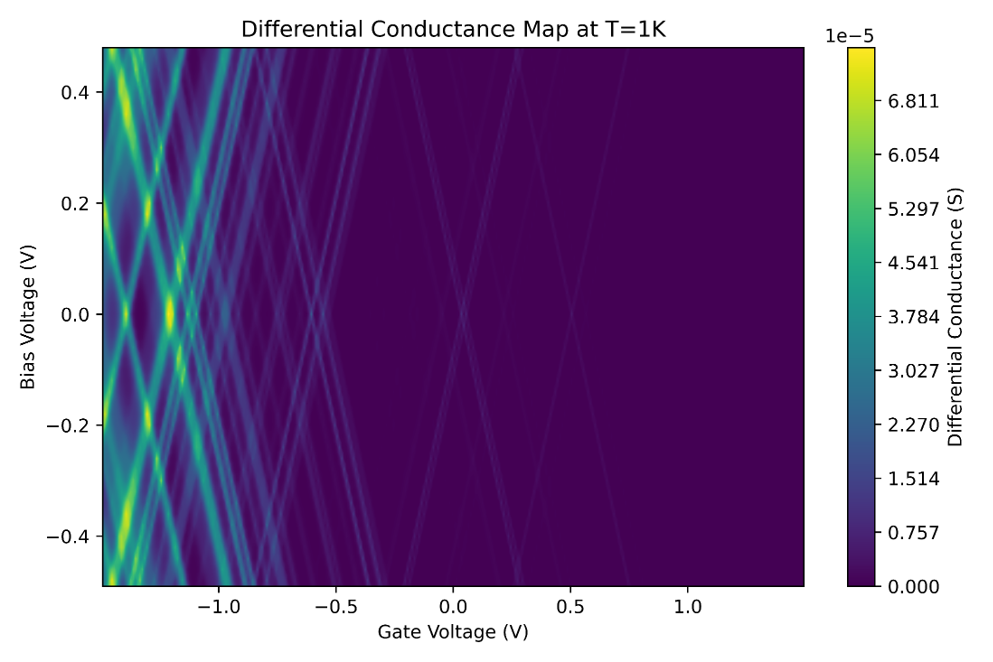
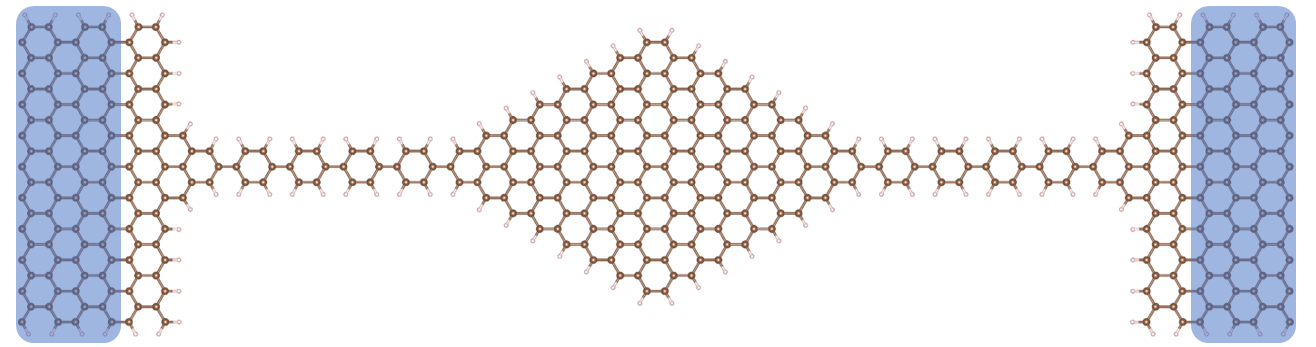
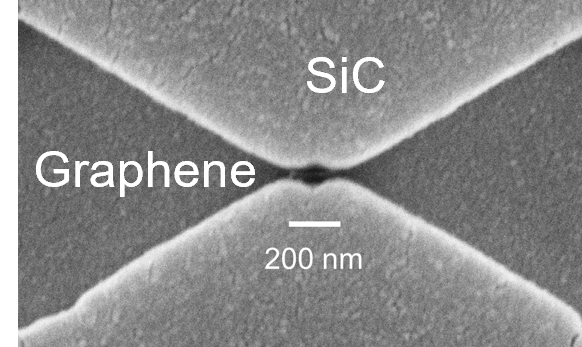
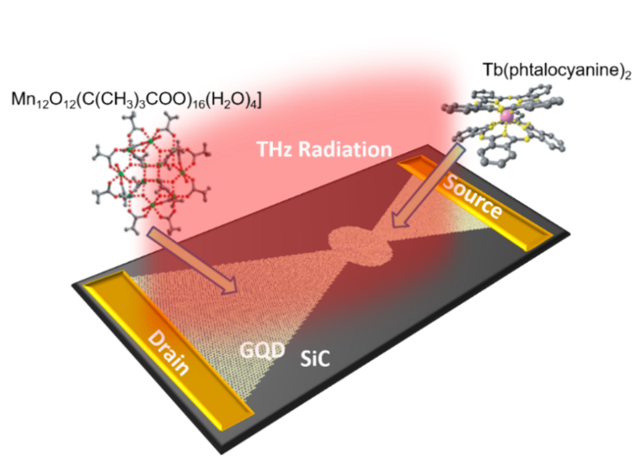
Atomically thin devices offer a platform for investigating correlated, topological and quantum states. Research connects first-principles calculations with low-temperature magneto-transport experiments and device concepts including photodetectors and graphene quantum-dot bolometers.
CBS
Chemical & Biochemical Sensors
Using molecular, magnetic and
two-dimensional systems for precise detection.
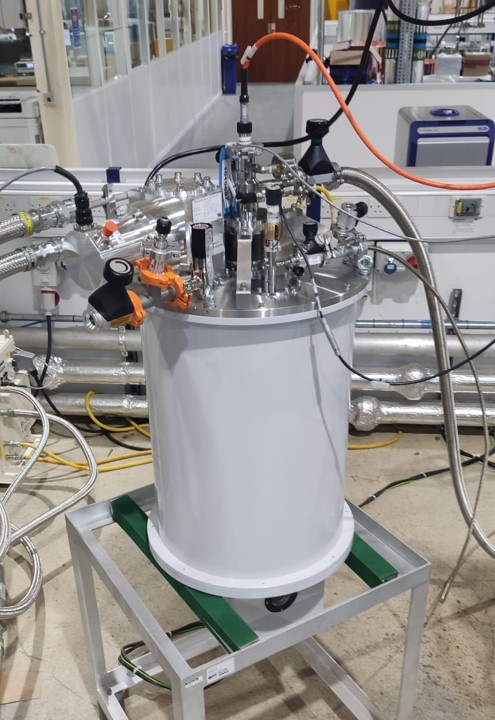
Research investigates molecular nanomagnets interacting with 2D templates, magnetocaloric concepts and sensing platforms designed to detect DNA, RNA and proteins. These directions connect quantum materials, molecular spintronics, cryogenic technology and bio-analytics.
Quantum science, sensing and sustainable technologies
Two-dimensional materials offer an unusually versatile platform. Their electrical, optical, mechanical and surface properties can be engineered for many classes of devices.
From fundamental material behavior to practical technologies
These examples illustrate the connection between fundamental material behavior and practical technology concepts.
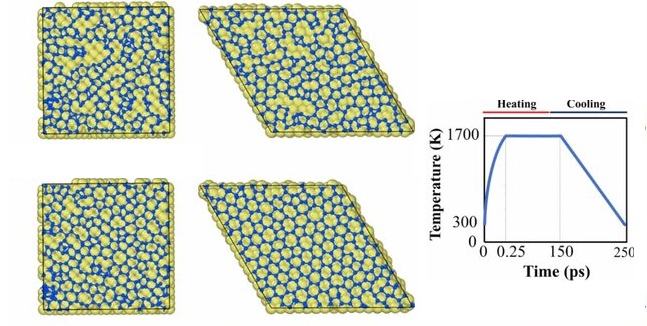
Large-Area Phosphorene on Nickel
Theoretical and experimental work investigates strategies for producing high-quality phosphorene and other two-dimensional crystals at useful scales.
Explore the paper Journal of Physics D: Applied PhysicsDOI: 10.1088/1361-6463/ad61f7
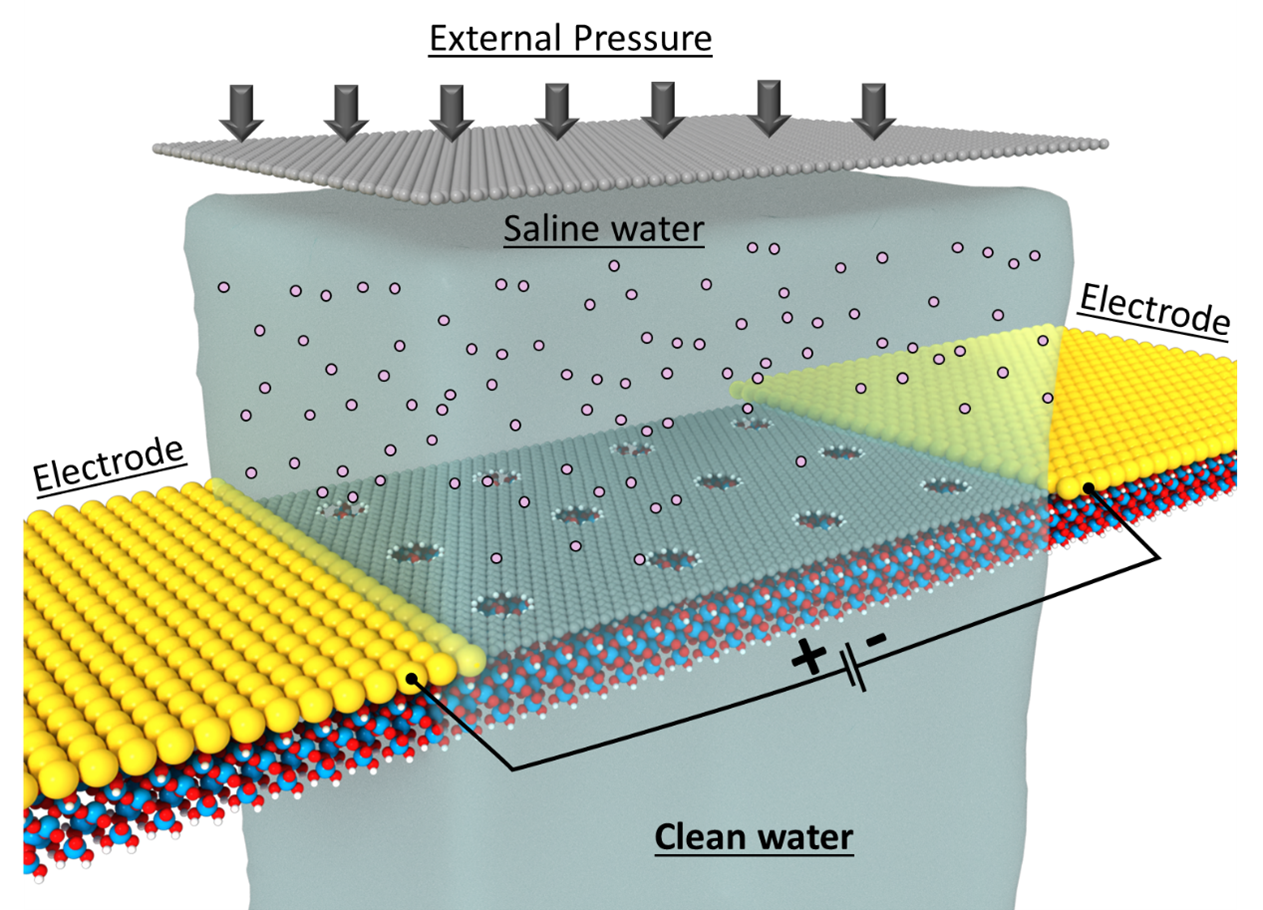
Graphene Nanopores for Water Desalination
Controlled vacancy formation is studied as a route toward selective graphene membranes for water-treatment applications.
Explore the paper ACS OmegaDOI: 10.1021/acsomega.4c08852
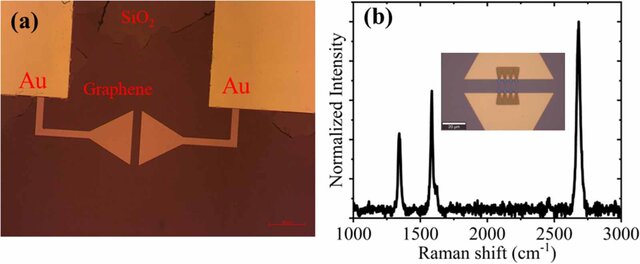
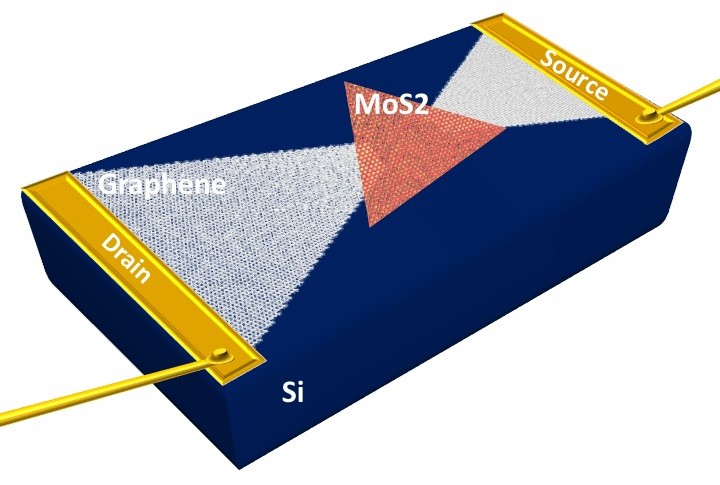
Quantum Dots Array: An Approach to Multipixel Devices
Arrays of parallel graphene quantum dots are investigated as a method for controlling device area, impedance and transport properties while supporting the development of multipixel detection and imaging technologies.
Explore the paper Journal of Physics D: Applied Physics, 58, 135103 (2025)DOI: 10.1088/1361-6463/adacf8

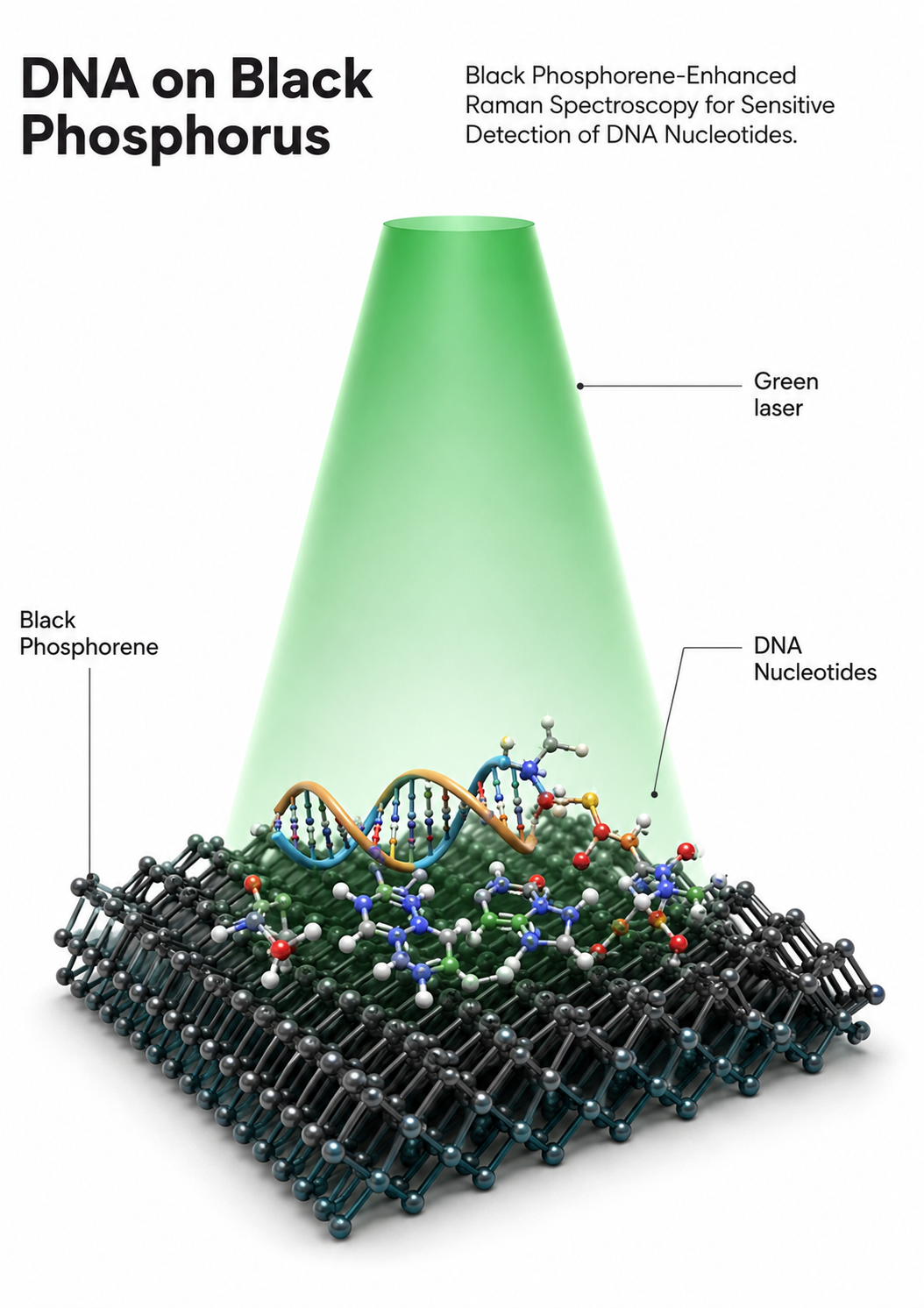
Black Phosphorene/Graphene Heterostructures as High-Performance SERS Platforms for Ultrasensitive Label-Free DNA Nucleotide Detection
Black phosphorene/graphene and black phosphorene/MoS₂ heterostructures are investigated as highly sensitive surface-enhanced Raman scattering platforms for non-destructive DNA nucleotide detection.
Explore the paper Applied Physics Letters 128, 181703 (2026)DOI: 10.1063/5.0320857
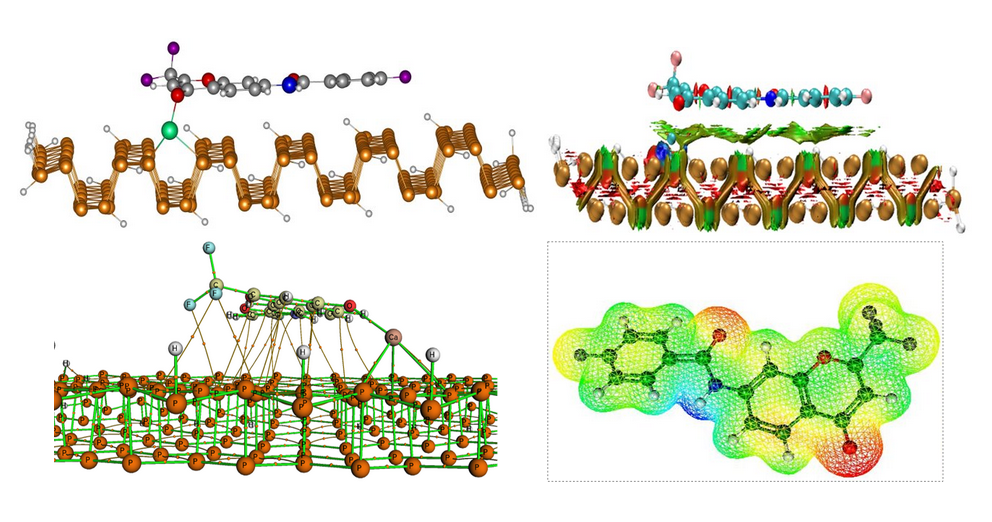
Alkaline-Earth Metal Ion-Modified Black Phosphorene as a Potential Platform for Anticancer Drug Delivery and Phototherapy
This multiscale computational study investigates alkaline-earth metal ion-modified black phosphorene as a potential nanomaterial platform for targeted anticancer drug delivery and phototherapy.
Explore the paper Scientific Reports (2026)DOI: 10.1038/s41598-026-60411-2
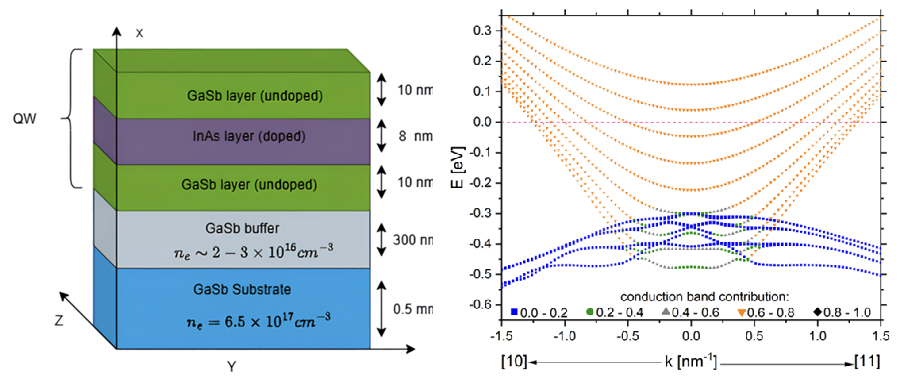
Multisubband Plasmons in an InAs/GaSb Broken-Gap Quantum Well
Experimental ellipsometry and advanced eight-band modeling are combined to investigate collective multisubband plasmon modes in heavily doped InAs/GaSb quantum wells, highlighting their potential for mid-infrared plasmonics and quantum-device applications.
Explore the paper Physical Review B 112, 205412 (2025)DOI: 10.1103/rq1z-6sg7